
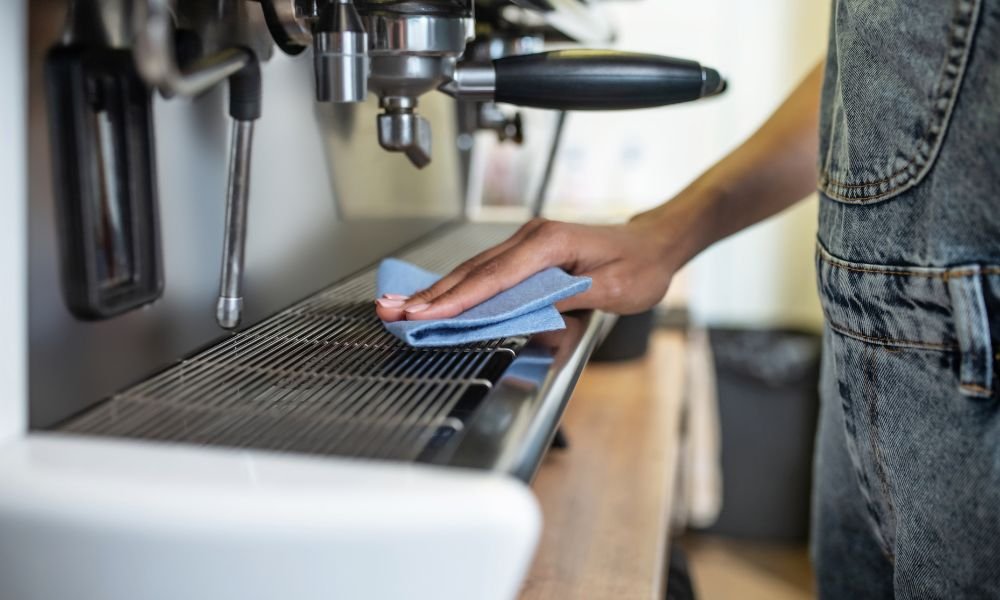
A dirty microwave can quickly become covered with food splatters, grease, and unpleasant odors, especially with regular use. Fortunately, cleaning it does not require expensive products or complicated methods. Learning how to clean a microwave can help you keep your appliance fresh, hygienic, and ready for everyday use. With a few simple household items, such as water, lemon, vinegar, a soft cloth, and mild dish soap, you can loosen stubborn food residue and wipe away grease with ease. In this guide, we’ll walk you through simple and safe steps to clean the inside, door, turntable, and exterior of your microwave. Whether you are dealing with dried food, greasy stains, or lingering smells, these practical tips will help you get your microwave clean without spending much time or effort.
Why Should You Clean Your Microwave?
A microwave can collect food particles, oil, and moisture every time you use it. Spilled food may dry onto the walls, while grease can build up around the ceiling and door.
Regular cleaning helps:
- Remove food residue and grease
- Reduce unpleasant odors
- Keep the microwave hygienic
- Prevent stubborn stains
- Make the appliance look cleaner
- Maintain a pleasant cooking environment
Cleaning after spills is especially helpful because fresh stains are much easier to remove than dried ones.
What You Need to Clean a Microwave
You do not need expensive cleaning products for everyday microwave cleaning. Gather a few basic supplies:
- Microwave-safe bowl
- Water
- White vinegar or lemon
- Soft microfiber cloth
- Sponge
- Mild dish soap
- Dry towel
- Small soft brush for difficult areas
Avoid abrasive pads and harsh chemicals that can damage the interior surface.
Unplug the Microwave Before Cleaning
Before cleaning the outside, controls, or other parts of the appliance, unplug the microwave from the electrical outlet.
This provides an extra level of safety while you wipe the appliance. Never spray liquid directly onto the control panel, vents, or electrical openings.
For routine interior steam cleaning, follow the manufacturer’s instructions regarding whether the appliance should remain connected or be unplugged.
Remove the Turntable and Accessories
Take out the glass turntable and any removable support ring.
Wash these parts separately with warm water and dish soap. If they are dishwasher-safe, you can also clean them according to the manufacturer’s instructions.
Dry the pieces thoroughly before putting them back.
Removing these parts also makes it easier to reach crumbs and food particles underneath them.
Use Steam to Loosen Stubborn Food
One of the easiest ways to clean the inside of a microwave is to use steam.
Fill a microwave-safe bowl with about one cup of water. Add either a few tablespoons of white vinegar or several lemon slices.
Place the bowl inside the microwave and heat it for several minutes until the water becomes hot and produces plenty of steam.
Once the cycle finishes, leave the door closed for a few minutes. The steam will soften dried food and grease.
Be careful when opening the door because the bowl and water may be hot.
Wipe the Microwave Interior
After steaming, carefully remove the bowl using an oven mitt or heat-resistant glove.
Take a soft microfiber cloth or sponge and wipe the interior walls, ceiling, floor, and door.
Food that previously seemed difficult to remove should now come away more easily.
For stubborn spots, dampen the cloth and gently rub the area again. Avoid scraping aggressively because this can damage the microwave’s interior coating.
Clean the Microwave Ceiling Carefully
The ceiling of the microwave often collects grease and food splashes, but it can be easy to overlook.
Use a damp microfiber cloth to wipe this area carefully. If grease remains, use a small amount of mild dish soap diluted with water.
Do not pour or spray cleaning solution directly onto the ceiling.
A damp cloth gives you better control and reduces the chance of liquid reaching areas where it should not go.
8. Clean the Microwave Door
The microwave door should be cleaned both inside and outside.
Use a soft cloth with warm water and a small amount of mild dish soap to remove fingerprints, grease, and food residue.
Pay attention to the edges and handle.
If the door has a glass window, wipe it gently without using abrasive materials. Avoid soaking the door or allowing liquid to enter the vents or seams.
Clean the Turntable and Roller Ring
Wash the glass turntable with warm, soapy water. Clean the roller ring as well because crumbs can become trapped underneath it.
Rinse both parts thoroughly and dry them before reinstalling them.
Make sure the turntable is positioned correctly when you put it back. A properly positioned plate should rotate smoothly during operation.
Remove Unpleasant Microwave Odors
Sometimes cleaning removes visible dirt but leaves behind a strong smell.
Lemon is useful for freshening the microwave naturally. Place several lemon slices in a microwave-safe bowl filled with water and heat the mixture for a few minutes.
Allow the steam to sit inside the closed microwave for several minutes before wiping the surfaces.
You can also leave the microwave door open for a short time afterward to allow fresh air to circulate.
How to Remove Tough Grease
For heavy grease, steam the microwave first rather than immediately scrubbing the surface.
After steaming, apply a small amount of mild dish soap to a damp sponge or cloth. Gently work on the greasy area and then wipe away the soap with a clean, damp cloth.
Repeat the process if necessary.
Avoid strong abrasive cleaners, steel wool, or rough scouring pads because they may scratch the interior.
Clean the Microwave Exterior
Do not forget the outside of the appliance.
Use a slightly damp microfiber cloth to clean the top, sides, handle, and other exterior surfaces.
For stainless-steel models, follow the manufacturer’s cleaning instructions and wipe in the direction of the finish when appropriate.
Never spray cleaner directly over buttons, displays, vents, or electrical openings.
What Not to Use When Cleaning a Microwave
Using the wrong cleaning method can damage your appliance. Avoid:
- Steel wool
- Abrasive scrubbers
- Harsh chemical cleaners
- Excessive amounts of water
- Sharp objects for scraping
- Directly spraying liquid into vents
- Cleaning products not approved for your microwave
Always check the manufacturer’s instructions if you are unsure about a particular cleaning product.
How Often Should You Clean a Microwave?
How often you should clean a microwave depends on how frequently you use it and the types of food you heat. For most households, wiping away spills and splatters as soon as they occur and doing a deeper clean about once a week is a practical routine. If you regularly heat greasy foods, soups, or meals that create strong odors, you may need to clean the microwave more often. Just as regular maintenance helps keep a microwave fresh and hygienic, knowing how to clean a coffee maker can help you maintain another frequently used kitchen appliance and prevent buildup over time.
Tips to Keep Your Microwave Clean
Preventing messes is easier than removing old stains. Try these simple habits:
- Cover food before heating it.
- Clean spills as soon as possible.
- Avoid overheating foods that may splatter.
- Wipe the interior regularly.
- Clean the turntable frequently.
- Use microwave-safe containers.
- Keep the door and handle free from grease.
These small habits can significantly reduce cleaning time.
Final Thoughts
Learning how to clean a microwave is simple when you use the right approach. Start by removing the turntable, soften dried food with steam, and wipe the interior with a soft cloth. Lemon or vinegar can help loosen grime and freshen odors, while mild dish soap works well for greasy areas.
The most important thing is to clean spills before they become stubborn. With regular maintenance and safe cleaning methods, your microwave can stay fresh, hygienic, and ready for everyday use.